Nerea Martí and family karting: how racing careers are really built in Spain
Long before racing in the W Series or the F1 Academy, Nerea Martí learned to drive at a rental kart track her own family had opened on the outskirts of Valencia. Her story is not only that of a driver who has opened doors for other girls in Spanish motorsport, but also a fitting snapshot of how grassroots karting really works in Spain: family-run circuits, tight budgets, and regional championships that gradually shape the country's future drivers.
A rental kart track that became a starting point
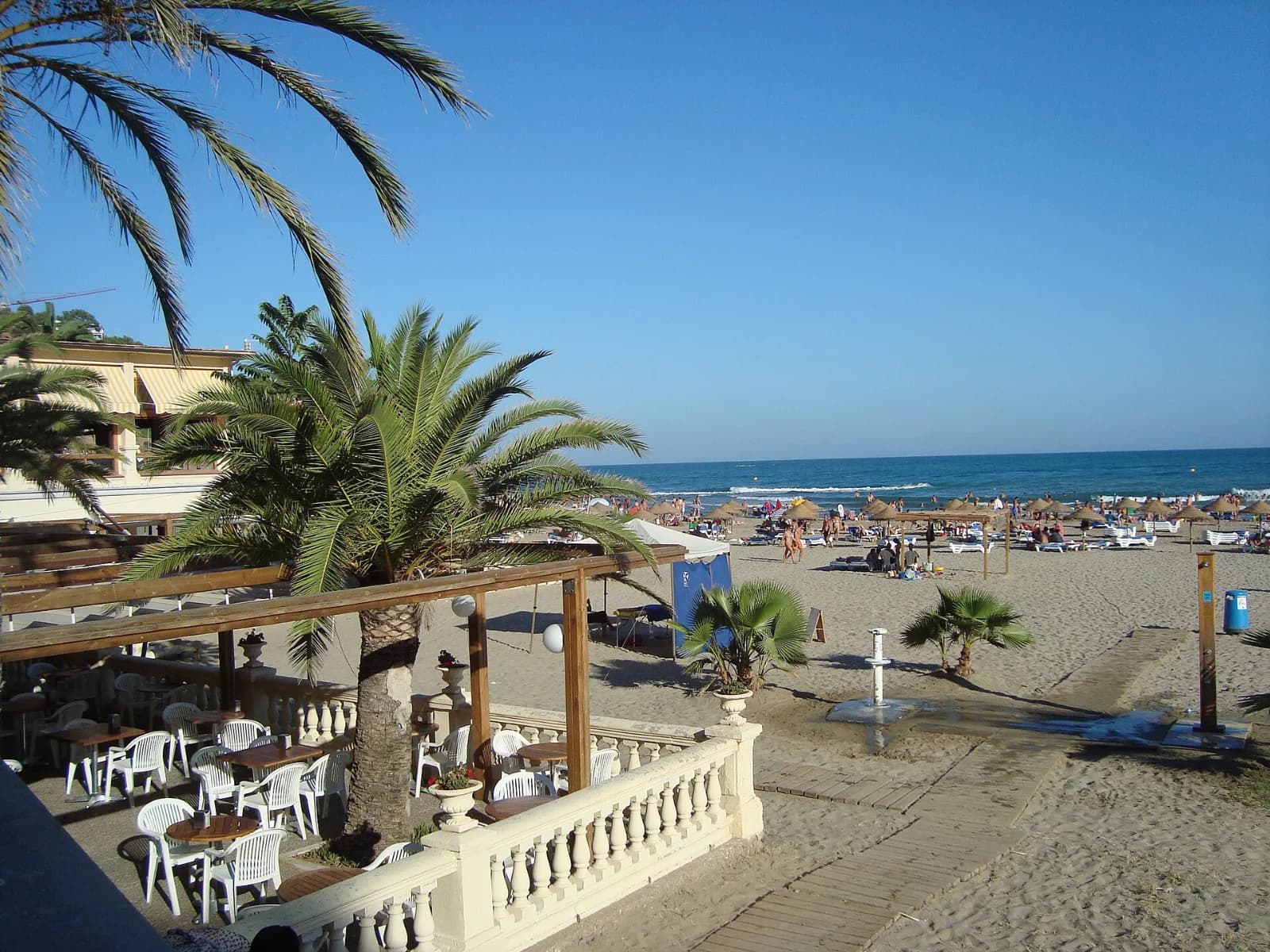
Nerea Martí was born on 2 January 2002 in Albalat dels Sorells, a town in the l'Horta Nord area, close to the city of Valencia. As the driver herself tells it, her father and uncle opened a rental kart circuit in the area, the seed of what is known today as Karting Horta Nord. It was on that same track that Nerea first got behind the wheel of a kart, aged nine: an age she herself describes as "quite late" compared to today's average, since many girls and boys now start competing from as young as five.
That background explains much of what came after: she didn't arrive in competitive karting through an outside academy or a professional team, but through the family business. During her first two seasons of racing, her own father acted as her mechanic, and the family owned the engine she raced with. Keeping costs to a minimum was, in her own words, an absolute priority during those years: something any Spanish family trying to support a karting driver without a big budget will recognise instantly.
From the family track to the Spanish Championship
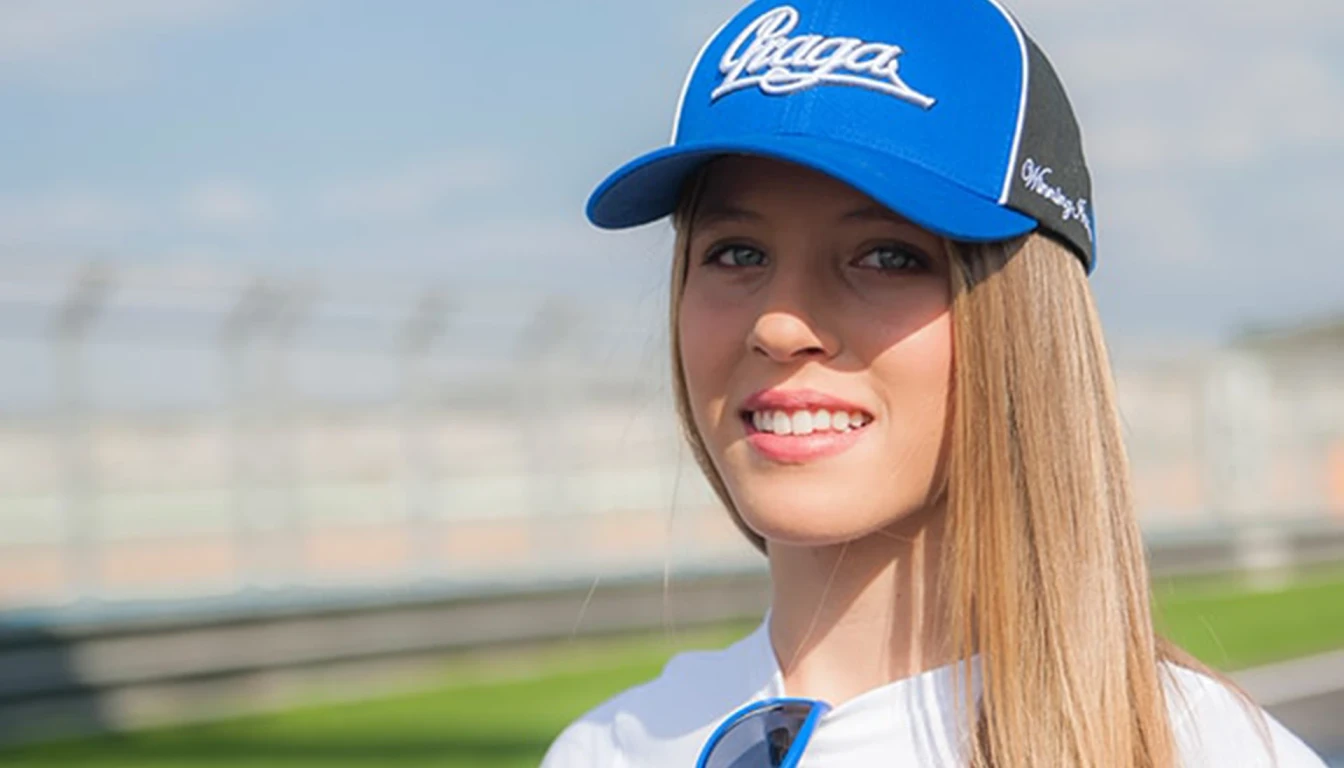
Her move into more serious competition came in 2017, when Praga España Motorsport signed her as an official driver. That same year she became the first woman to win the Valencian Community Karting Championship in the junior category, a regional title she repeated in the senior class the following year. At national level, Martí finished seventh in the junior category of the Spanish Karting Championship, and later took a respectable second place in the KZ class of the LeCont Trophy, again racing for Praga España.
That progression (from regional Valencian circuits to the national championship) is exactly the usual path for any Spanish driver hoping to reach single-seaters: first the regional championships, then the Spanish Karting Championship organised under the RFEDA umbrella, and only if results and funding allow it, the jump to Formula 4 or other junior categories.
Moving into single-seaters without leaving karting behind
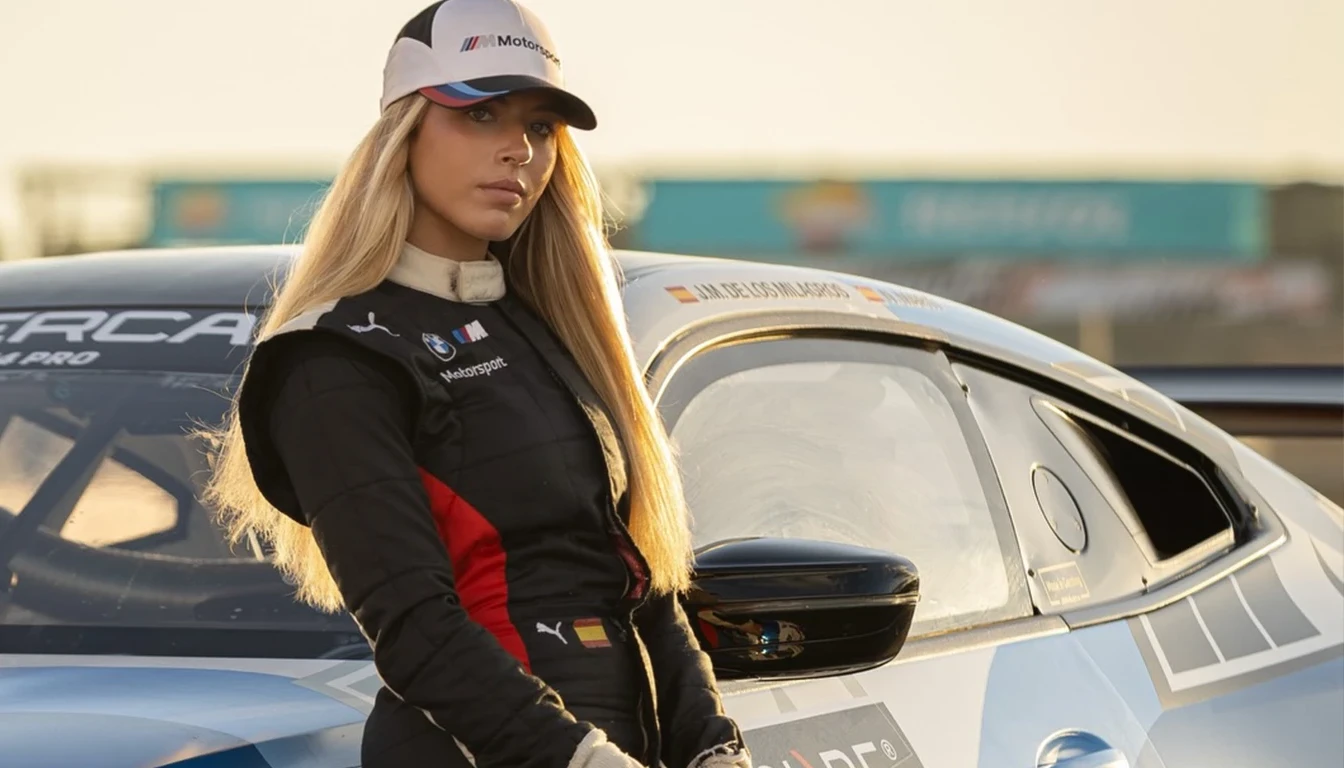
In 2019 Martí made her debut in the Spanish F4 Championship with the Fórmula de Campeones Praga F4 team, based at the Circuit Ricardo Tormo, taking a podium in her very first race. From there came her selection for the W Series, the all-female championship that for several seasons served as a showcase for drivers from around the world, and later her signing with Campos Racing for the inaugural F1 Academy season. She has also tested a Formula E car with the Andretti team during the 2024/25 ABB FIA Formula E World Championship season.
Despite that climb through increasingly professional categories, Martí has never cut ties with the karting that shaped her. In her own words, from a recent interview, the moment she took full responsibility for her career came when her father told her it was now her turn to carry it forward, and she admits that a good part of each season is simply spent chasing the funding needed to keep racing.
NM Motorsport: giving back to karting what it gave her
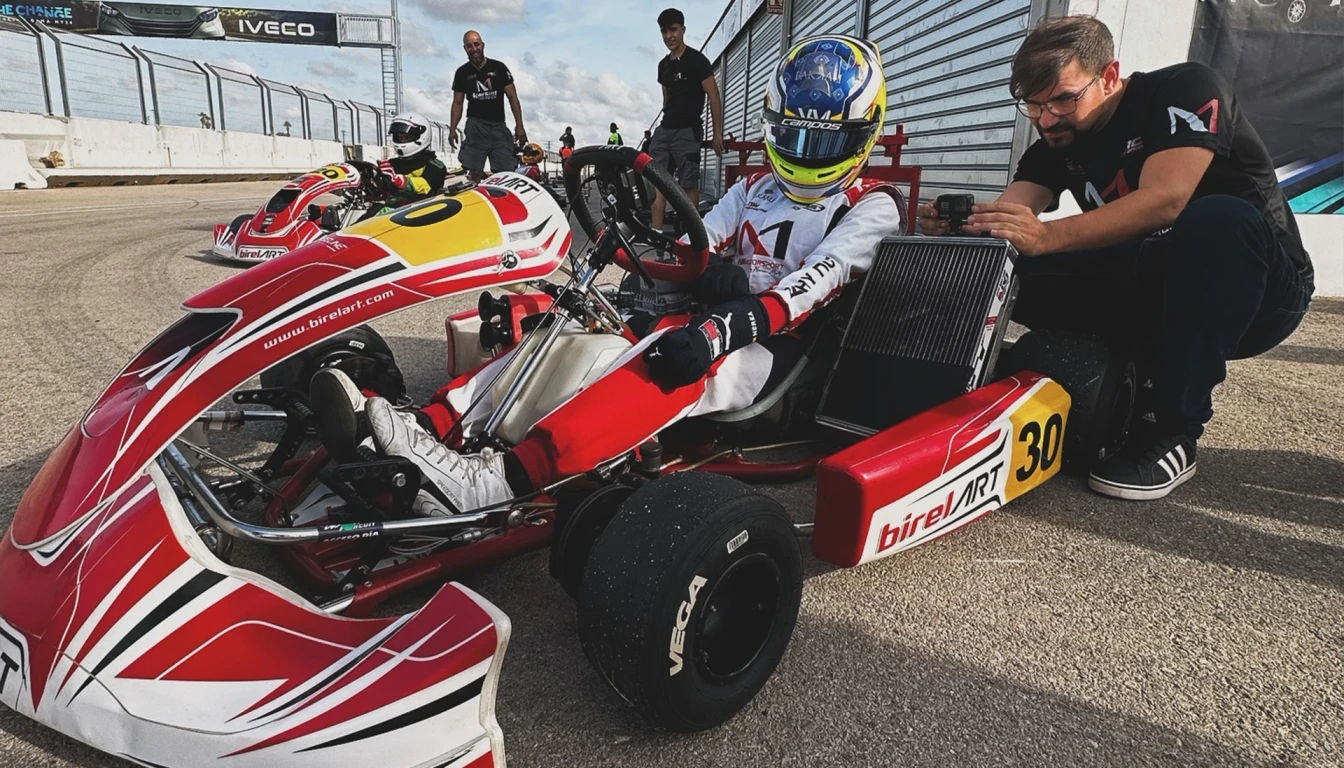
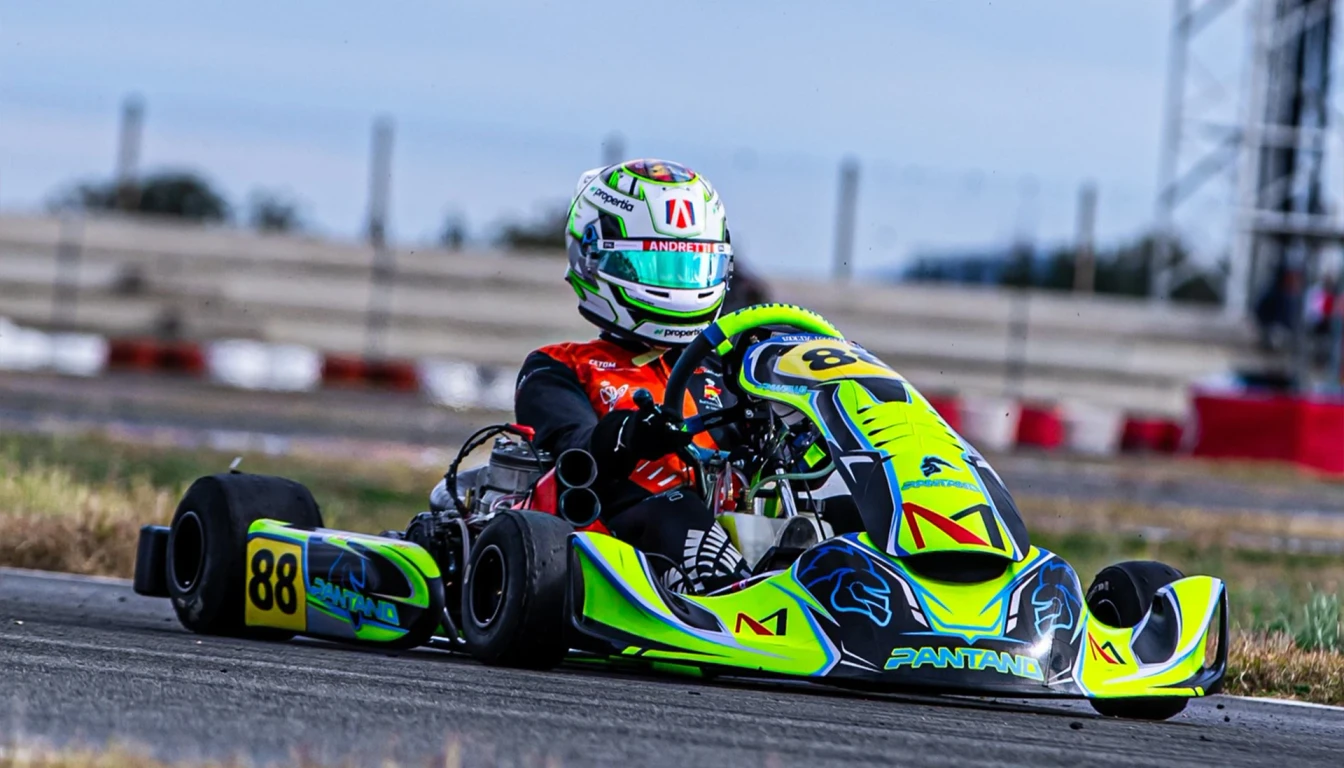
In January 2023, Martí took a step that closes the loop on her own story: she launched her own karting team, NM Motorsport by Nerea Martí, alongside her father Miguel Martí, who already ran other teams and had collected several titles as a technical lead. The project competes in both the Spanish Karting Championship and the Valencian Community Karting Championship, and was born, in her own words, "with great enthusiasm" and with the goal of developing future talents in Spanish motorsport.
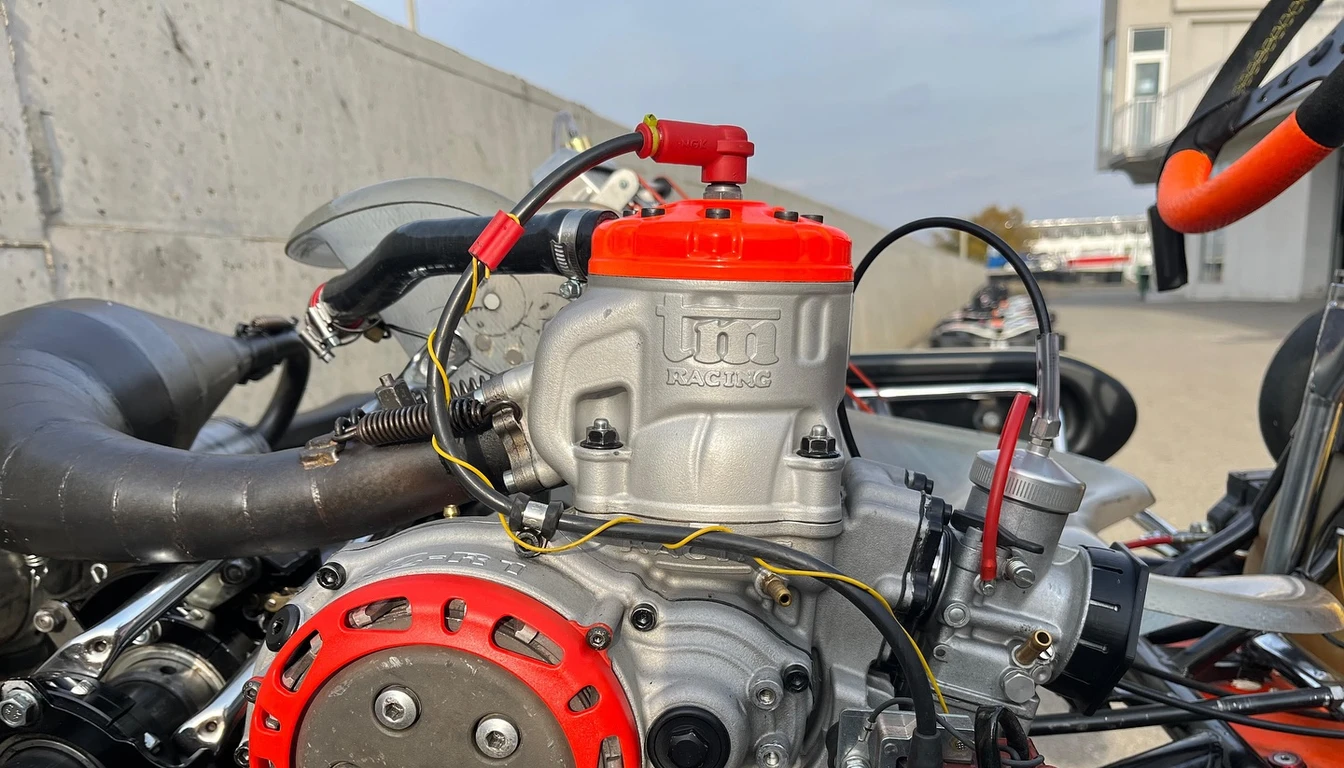
Within the team, Martí combines her role as a driver with that of an advisor: she brings visibility to the project, shares her experience with younger drivers, and, whenever her schedule as a professional driver allows it, travels to train with them on weekends. The team runs Birel Art chassis and draws on Karting Horta Nord itself (the family circuit where it all began) as a pipeline for new talent: between ten and fifteen young drivers have gone on to race in championships under the NM Motorsport banner.
Opening doors from the circuit itself
Martí has been explicit about the role she wants to play for the next generation. In her own words, the women who raced before her "opened many doors for girls," and she says she's proud to now be a reference point for those starting out in the sport. She also points to a change that would have seemed unthinkable to her as a child: girls who start karting today train from a young age with the same preparation given to boys, something that wasn't always the case in Spanish karting.
Even so, she's honest about the limits of that progress. She says she has rarely faced direct comments about her gender, something she partly credits to staying focused on her own path and earning respect on track, but she also admits that change will take time, and that a girl who wants to compete today still needs, besides talent, the money required to sustain a full season.
Spanish karting, from family circuit to national pipeline
Nerea Martí's story works almost as a mirror of Spain's own karting ecosystem: family-run rental circuits that end up becoming driver academies, regional championships like the Valencian Community's that serve as a real first step, and a Spanish Karting Championship that acts as a filter before the jump to Formula 4 or international categories. That a former pupil of a family-run kart track in l'Horta Nord ended up racing in the F1 Academy, and now gives that learning back by training the next generation on the very same circuit, sums up neatly why grassroots karting remains, piece by piece, the quiet engine of Spanish motorsport.
Reviewed by the GoKarting editorial team before publication.