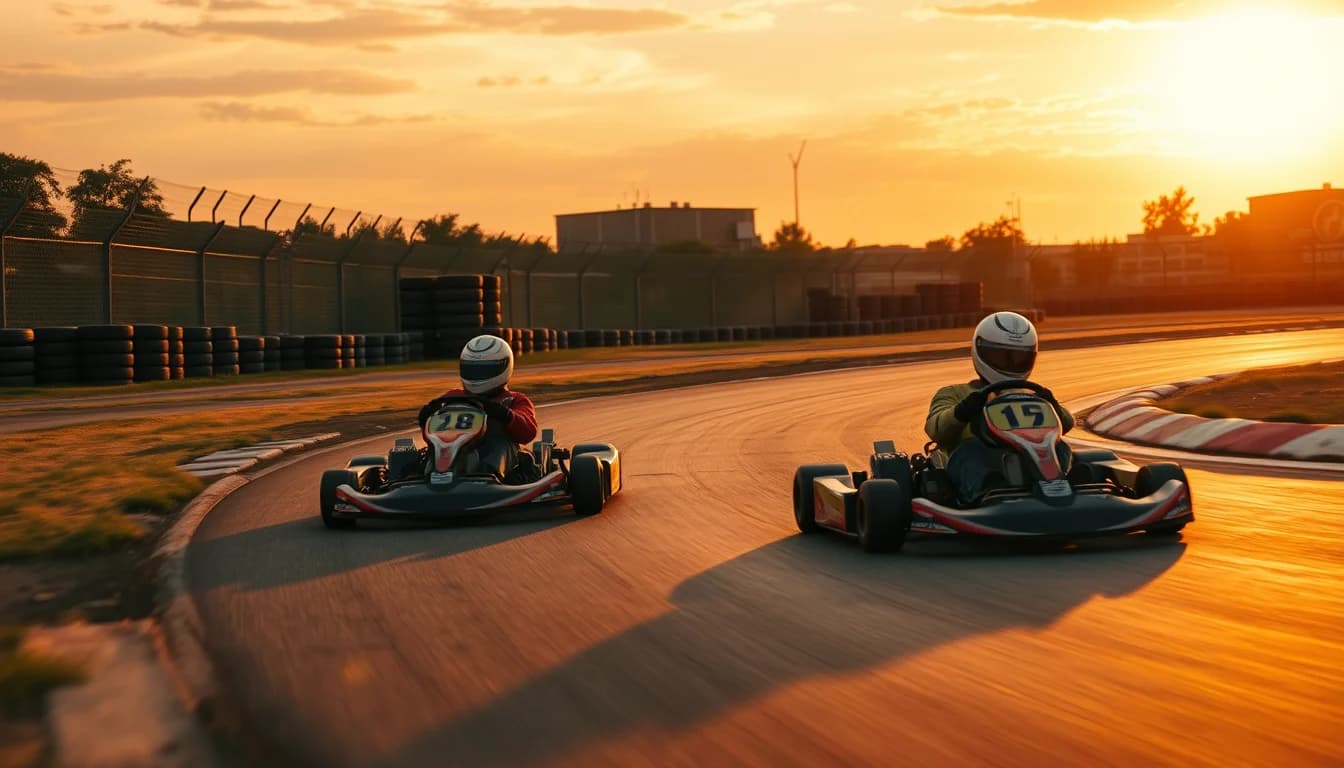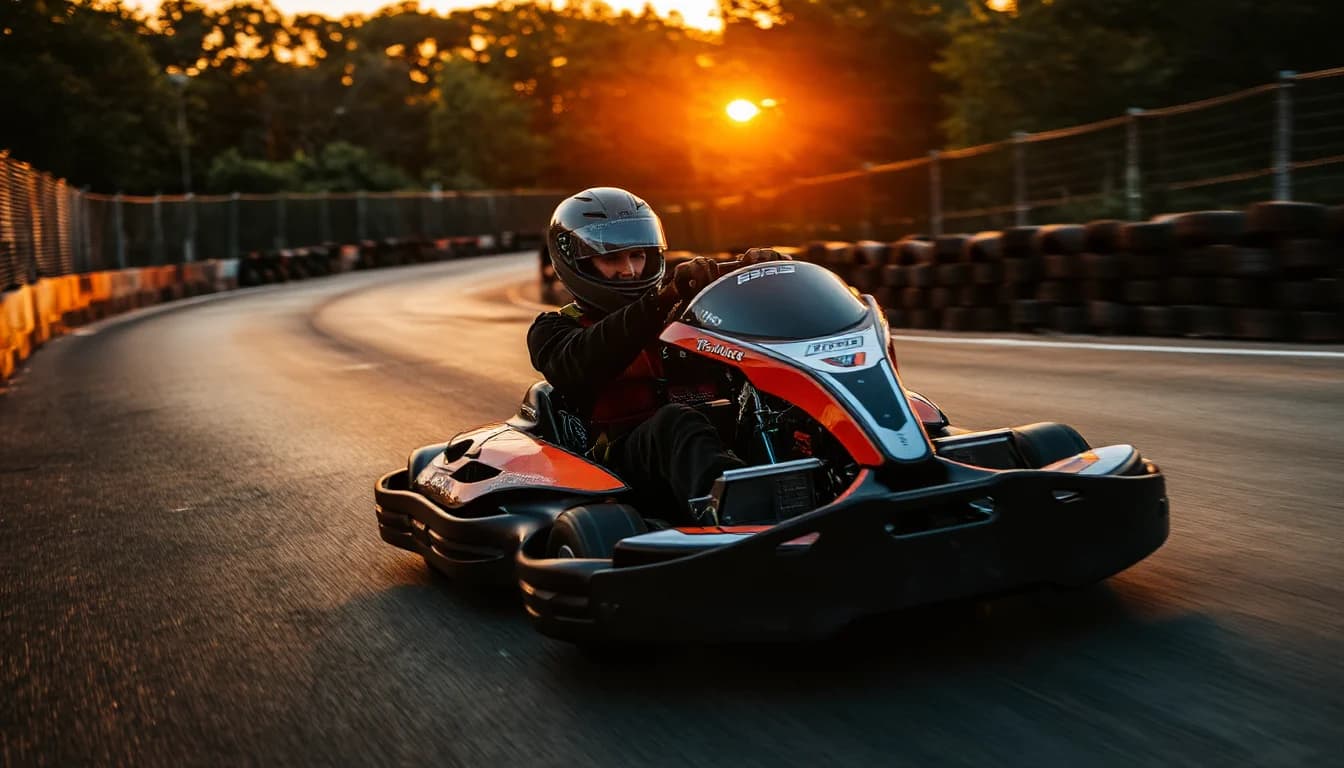
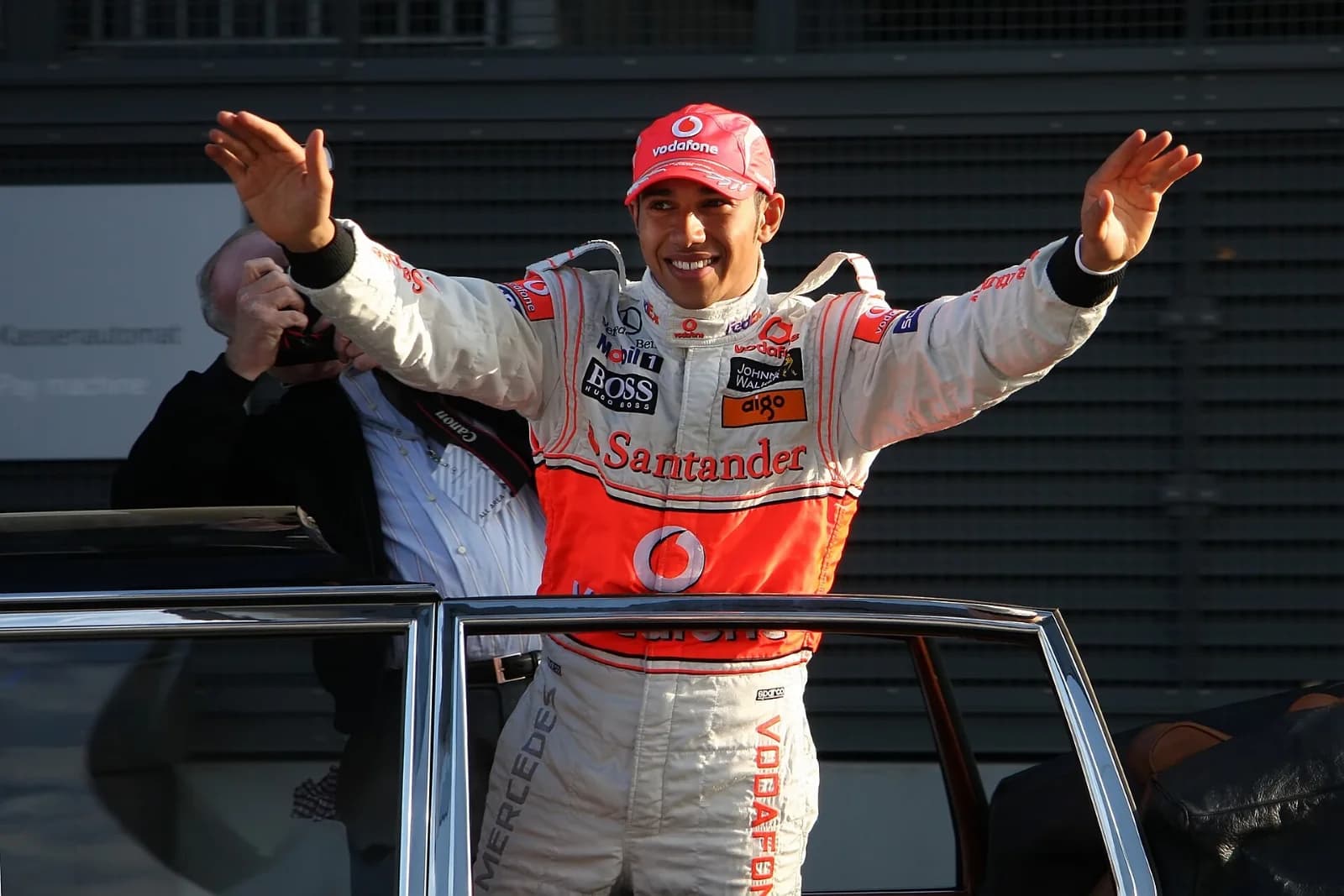
Before the seven Formula 1 titles, before McLaren and Mercedes, there was a second-hand go-kart under a Christmas tree in Stevenage. Lewis Hamilton's story in motorsport begins on a karting track, just like so many other champions, and it's worth telling in more detail than usually makes it into the headlines.
A kart under the Christmas tree
Lewis Hamilton began racing karts in 1993, at just six years old, after his father Anthony Hamilton bought him a second-hand kart for Christmas. It wasn't a casual gift: the family had limited resources, and that decision would shape the following years for the whole household. From the very start, young Lewis showed a speed and competitiveness that caught the attention of anyone watching him race in British cadet categories.
Progress came fast. Within a few years he went from just another newcomer on the grid to a benchmark in British junior karting, a competitive scene where regional and national titles were contested every weekend in front of a demanding, knowledgeable crowd.
National champion at ten
At ten years old, Hamilton became the youngest ever winner of the British karting championship in the cadet category, a milestone that already hinted at what was to come. It wasn't an isolated success: he strung together national and international titles across different classes during his formative years, building a track record that soon began attracting attention beyond whichever circuit he happened to be racing at.
That run of results matters for understanding what happened next: in 1990s British karting, consistently winning in cadet categories didn't guarantee anything on its own, but it did open the door for scouts from the big teams to take notice of a driver. And that's exactly what happened with Hamilton.
The meeting with Ron Dennis at the Autosport Awards
The scene has been told so many times it's now part of Formula 1 folklore: at the 1995 Autosport Awards, a ten-year-old Hamilton, already national cadet champion, walked up to Ron Dennis, then McLaren's boss, and told him that one day he wanted to race his cars. Dennis, without making any promises but without closing the door either, replied with a line that has been repeated ever since: to call him in nine years and they'd see what they could do.
It didn't take nearly that long. McLaren's interest in the young driver stayed alive from that moment, and in 1998, at just twelve years old, Hamilton was signed to the McLaren-Mercedes young driver programme. It was the start of a relationship that would last more than a decade and eventually lead him, in 2007, to make his Formula 1 debut with the very team he'd introduced himself to as a child.
A family's sacrifice
Behind every karting title lay a considerable financial effort from the Hamilton family too. Anthony Hamilton, Lewis's father, juggled several jobs at once — among them double-glazing salesman, dishwasher and estate-agent sign installer — to fund his son's racing career, at a time when competitive karting, with its engines, tyres and constant travel, already represented a serious expense for any family without sponsors.
That combination of obvious talent and family sacrifice is, in fact, one of the most repeated stories in grassroots karting: before the contracts and sponsorships arrive, it's families who financially carry a promising driver's first years.

The perfect year: European and World champion in 2000
The 2000 season was probably the high point of Hamilton's karting years. Racing in the Formula A category for the CRG-Parilla team, he was crowned European champion with a maximum points score, ahead of a teammate who would also eventually reach Formula 1: Nico Rosberg, who finished runner-up in that championship. In the same season, Hamilton also took the karting World Cup, closing out a year that cemented his status as one of European karting's biggest prospects.
That 2000 double wasn't just a sporting achievement: it also served as confirmation, for McLaren and the rest of the paddock, that the interest shown years earlier at the Autosport Awards had been well founded.
The jump to single-seaters
Hamilton's karting career ended in late 2001, after around eight years of competition, when he moved into single-seaters, contesting the Formula Renault 2.0 Winter Series with Manor Motorsport. From there, his progression through Europe's junior categories was steady, culminating in a 2006 GP2 season that fully convinced the paddock he was ready for Formula 1.
In 2007 he made his debut with McLaren alongside the reigning world champion, Fernando Alonso, and delivered one of the greatest rookie seasons in the category's history. The rest, with seven world titles on his record, is well-known modern Formula 1 history.
What Hamilton's karting years leave behind
Lewis Hamilton's time in karting sums up rather well why the discipline remains the almost obligatory entry point for anyone aiming at Formula 1: it's where raw talent gets spotted, where competitive mindset gets forged, and where, very often, the first big battle — the financial one — is fought before the sporting one even begins. Eight years of karting, a national title at ten, and a European and world double at fifteen ended up being the foundation for one of the most successful careers Formula 1 has ever seen.
Reviewed by the GoKarting editorial team before publication.